Ladakh by Motorbike: A First-Timer's Guide to Permits, AMS and Route
Planning your first Ladakh bike trip? Here's everything you need on permits, acclimatisation, avoiding AMS, the best route, fuel stops and what to pack for the ride of a lifetime.
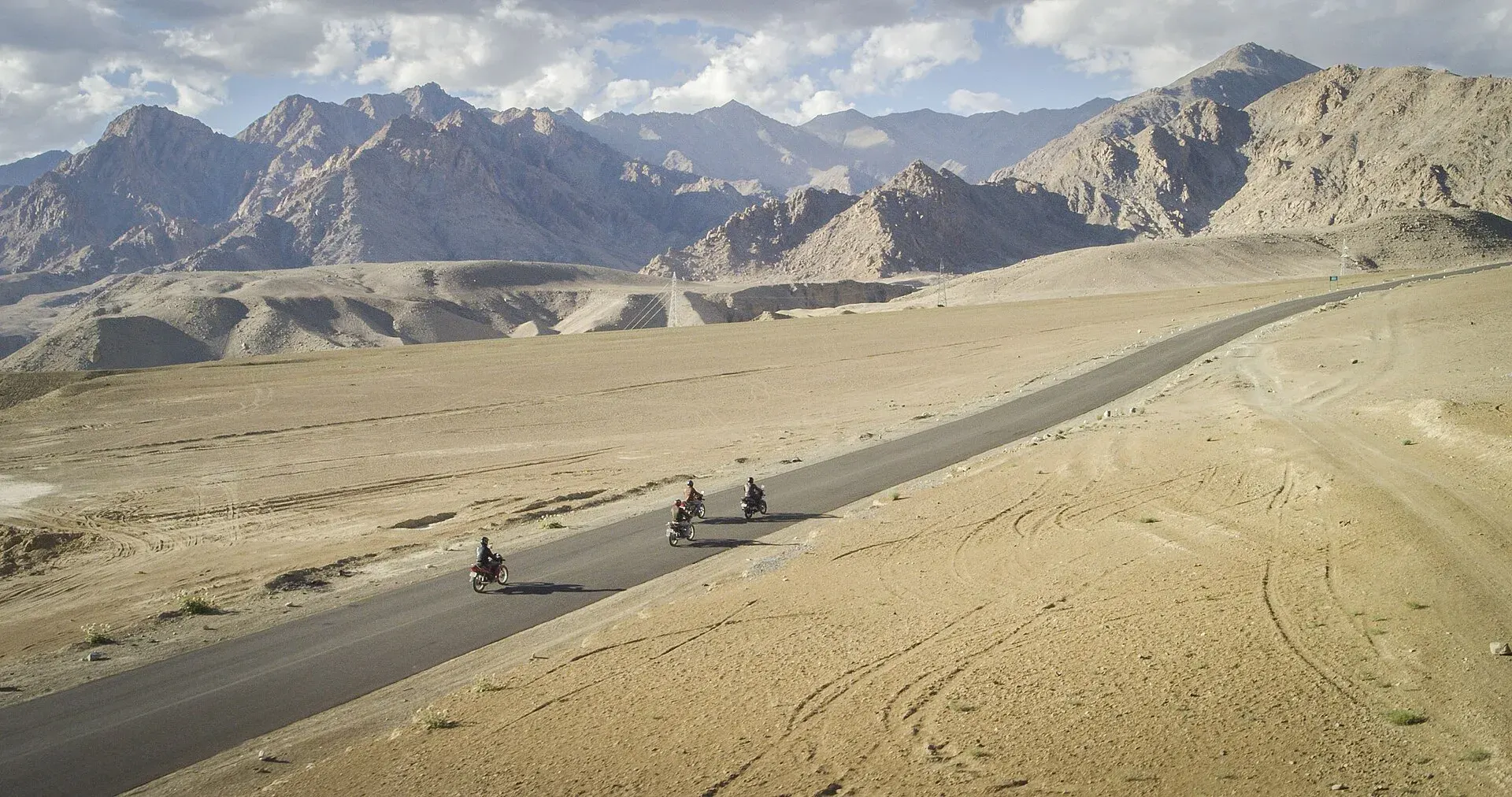
Riding a motorbike through Ladakh is on almost every Indian traveller's bucket list, and for good reason. High mountain passes, turquoise lakes, cold deserts and ancient monasteries make it one of the most dramatic road journeys in the world. But Ladakh is also remote and high, and a first-timer needs to plan carefully. This guide covers the essentials: when to go, permits, acclimatisation, the route and practical riding tips.
When to Go
The riding season generally runs from June to September. The Manali to Leh highway and the Srinagar to Leh highway open once snow is cleared, usually by late May or June, and start closing again by October. July and August can bring rain and landslides on some stretches, while June and September offer clearer skies but colder nights. Always check road status close to your departure.
Permits You Will Need
Indian citizens need an Inner Line Permit (ILP) to visit protected areas such as Nubra Valley, Pangong Tso, Tso Moriri, Hanle and some border regions. Permits can be applied for online through the official Ladakh administration portal or obtained in Leh. Keep in mind:
- Carry several photocopies of your permit and ID. Checkposts often keep a copy.
- An environmental or Red Cross fee is usually charged along with the permit.
- Foreign nationals require a Protected Area Permit and generally need to travel in a group arranged through a registered agent.
- Rules change periodically, so confirm current requirements before you travel.
Understanding AMS (Acute Mountain Sickness)
Leh sits at about 3,500 metres, and passes like Khardung La, Chang La and Tanglang La are well above 5,000 metres. At these heights, the air holds less oxygen, and anyone, regardless of fitness, can develop Acute Mountain Sickness.
Common symptoms
- Headache, nausea and loss of appetite
- Dizziness, breathlessness and fatigue
- Difficulty sleeping
How to reduce the risk
- Acclimatise: If you fly into Leh, rest completely for the first 24 to 48 hours. Riding in from Manali provides gradual acclimatisation, but still take it easy on arrival.
- Hydrate: Drink 3 to 4 litres of water daily, and avoid alcohol and smoking in the first few days.
- Climb high, sleep low: Do not linger on high passes. Take photos and descend.
- Consult a doctor: Speak to your doctor before the trip about preventive medication and any existing conditions.
- Descend if symptoms worsen: Severe headache, confusion, loss of coordination or breathlessness at rest are warning signs. Descend immediately and seek medical help.
The Classic Route (10 to 12 Days)
The most popular first-timer loop enters from Manali and exits via Srinagar, or the reverse. A typical plan looks like this:
- Day 1 to 2: Arrive in Manali, collect and test your bike, short ride to Solang or Sissu via the Atal Tunnel.
- Day 3: Manali to Jispa or Sarchu, crossing Baralacha La.
- Day 4: Sarchu to Leh via the Gata Loops, More Plains and Tanglang La.
- Day 5: Rest and acclimatise in Leh. Visit Shanti Stupa and Leh Palace.
- Day 6: Leh to Nubra Valley via Khardung La. Evening at Hunder sand dunes.
- Day 7: Nubra to Pangong Tso via Shyok (road permitting).
- Day 8: Pangong back to Leh via Chang La.
- Day 9 to 11: Leh to Kargil and on to Srinagar via Lamayuru and Zoji La, or ride back towards Manali.
Choosing and Preparing Your Bike
- Most riders use a 350cc to 500cc bike, which handles steep climbs and rough sections well.
- Renting in Manali or Leh saves the hassle of shipping your own bike. Note that local rules may restrict outside rental bikes in certain areas, so check before you plan.
- Inspect brakes, tyres, chain and clutch cable before departure, and carry a basic toolkit, spare tube and puncture kit.
Fuel and Connectivity
Fuel stations are few and far between. The stretch between Tandi (just after Keylong) and Karu near Leh has very limited fuel options, so carry at least 5 to 10 litres of extra fuel in approved jerry cans. Mobile networks are patchy, and in many areas only postpaid connections from certain operators work. Download offline maps and share your daily plan with someone at home.
What to Pack
- Riding jacket, pants, gloves and a full-face helmet
- Waterproof boots and rain covers
- Thermal inner layers and a warm fleece or down jacket
- Sunglasses, high-SPF sunscreen and lip balm
- Personal medical kit, including AMS medicines prescribed by your doctor
- Cash, since ATMs outside Leh are unreliable
Ride Safe, Ride Supported
A support vehicle carrying luggage, spare parts and a mechanic makes a first Ladakh ride far more comfortable. Our Ladakh bike trips include pre-arranged permits, handpicked camps and hotels, a backup vehicle from our own network and 24x7 on-trip support, so you can focus on the road ahead.


